


The Africa Cup of Nations (AFCON) has officially reverted to being held every two years, a change expected to impact the scheduling of international football. This decision follows discussions within the Confederation of African Football (CAF) and reflects the tournament's rich history and significance.
The Africa Cup of Nations is set to return to its original biennial format, a move that could reshape the international football calendar. Following a period of experimentation with a quadrennial schedule, the Confederation of African Football has decided to resume the tournament every two years. This decision is welcomed by many fans and players who cherish the competitive nature and excitement that AFCON brings.
AFCON has long been a staple of African football, providing a platform for nations to showcase their talent on a continental stage. The biennial format allows for regular competition, which not only enhances the profile of the tournament but also aids in the development of football across the continent. The decision to revert to this structure is seen as a recognition of the tournament's importance in the African sporting landscape.
This change comes as many national teams prepare for upcoming international fixtures, and it will be interesting to see how this affects player selection and club commitments. With an increased focus on the tournament, various leagues might need to adjust their schedules to accommodate the AFCON dates, ensuring that clubs can release players for national duty.
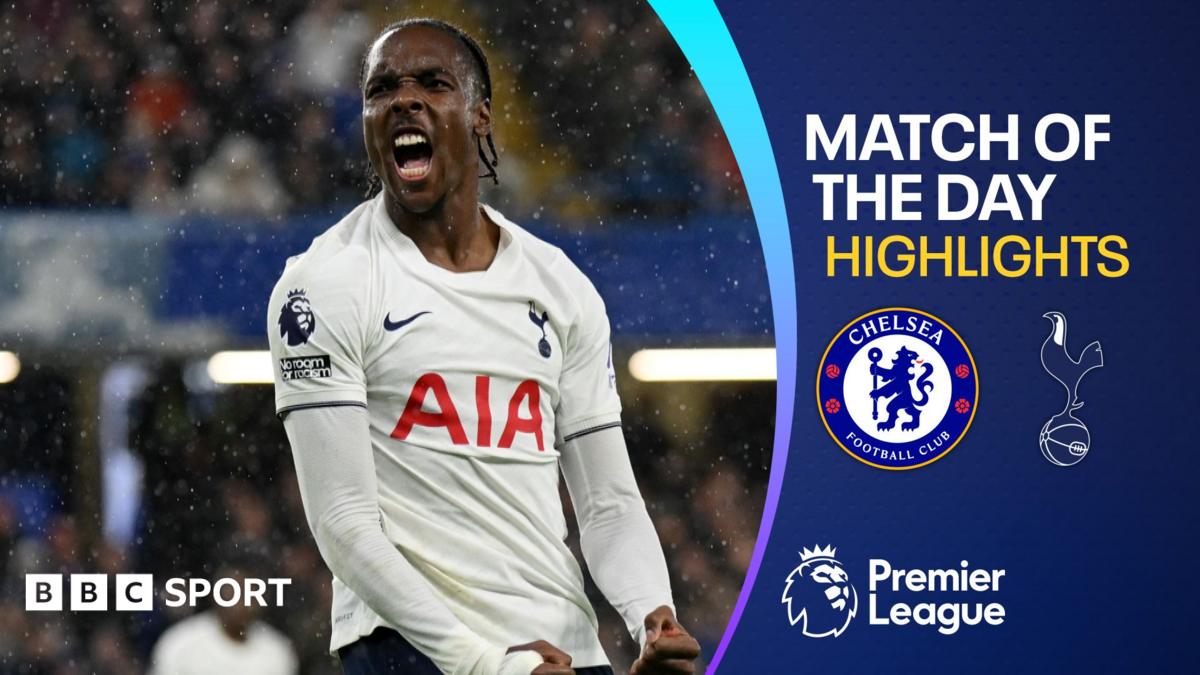
In other football news, Tottenham's Dejan Kulusevski made a notable return to competitive play after a long injury layoff, contributing to his team's victory against Chelsea. His comeback adds to the growing narratives across the league as clubs assess their squads ahead of a busy winter period.
As the football world anticipates the next AFCON, fans will be eager to see how the change in scheduling influences the tournament's competitiveness and overall appeal. The next edition will undoubtedly bring fresh stories, rivalries, and unforgettable moments to the forefront of African football.































Comments (0)
Sign in to leave a comment.
No comments yet.