

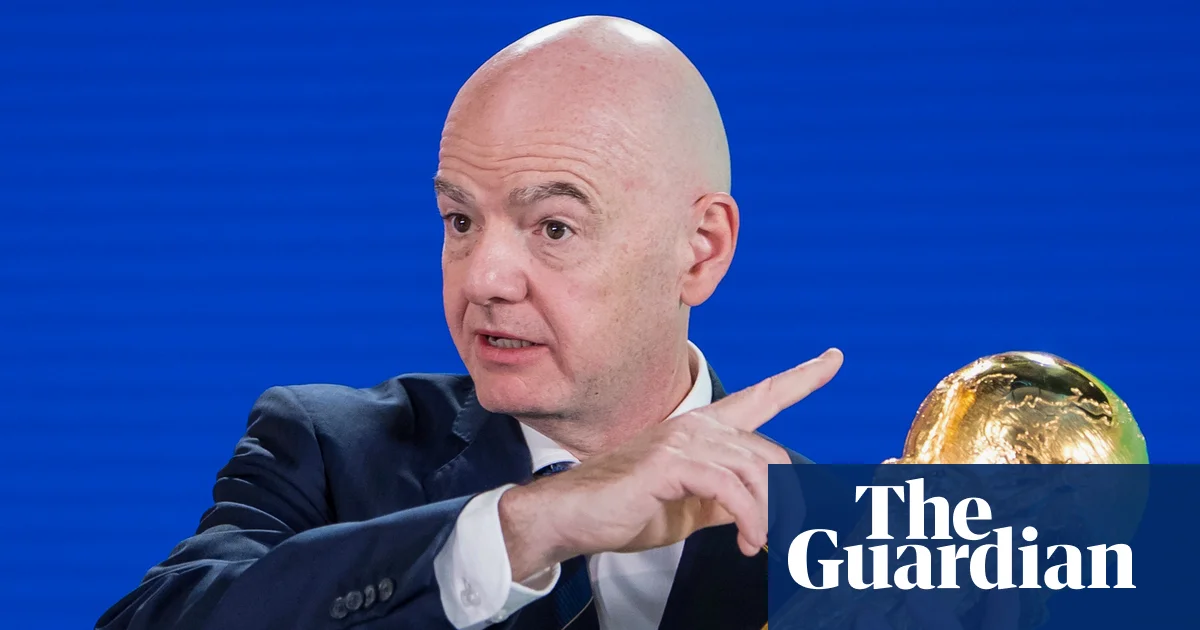
Gianni Infantino's ambitious proposal to monetize the World Cup has come under scrutiny as documents reveal the potential for long-term financial implications for football. This plan, which aimed to secure substantial payouts for Fifa's management, raises concerns about the future of the sport's most prestigious tournament.
Fifa's controversial proposal to sell off the World Cup rights for an estimated $20 billion may have locked football into a contract lasting up to 96 years, according to documents reviewed by The Guardian. The plan, known as the Fifa Forward Enterprise initiative, would have allowed management to receive up to 5% of the total value of the scheme, raising ethical questions about the motivations behind such a lucrative deal.
What happened
Recent communications between Fifa and Thrive Capital, the lead investor in the proposal, have unveiled details about the ambitious plan. The documents indicate that the deal was designed to secure significant financial returns for Fifa's management team while potentially compromising the integrity of the World Cup and its future governance. Fifa has since denied any personal profit for Infantino, asserting that the plan was aimed at enhancing the sport's global reach.
Why it matters
This proposed sell-off has far-reaching implications for football, as it raises concerns about the commercialization of the sport and the prioritization of profit over tradition. The potential for a decades-long contract could limit Fifa's flexibility in managing the World Cup, impacting future generations of players and fans. As discussions continue, the governance of football remains under scrutiny, with stakeholders calling for transparency and accountability in decision-making processes.



























Comments (0)
Sign in to leave a comment.
No comments yet.