

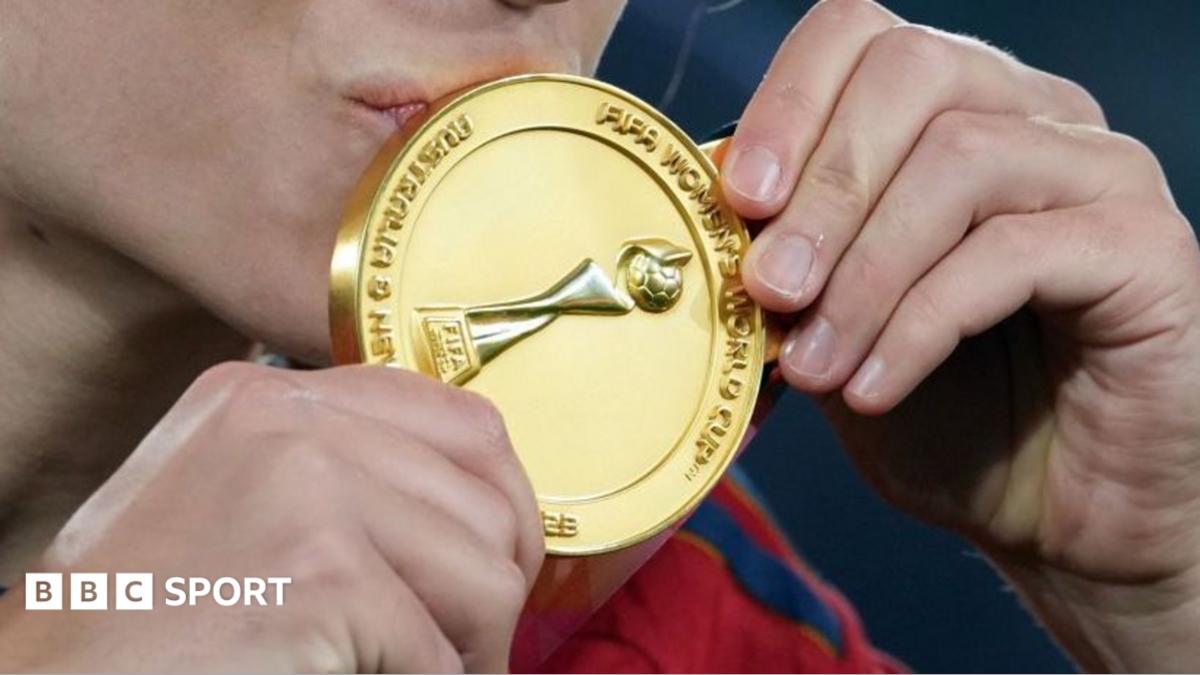
The United Kingdom will welcome the Women's World Cup for the first time in 2035, marking a significant milestone for women's football in the region.
The UK, comprising England, Northern Ireland, Scotland, and Wales, has officially been confirmed as the host for the 2035 Women's World Cup. This tournament will be notable as it is the first major football World Cup in the UK since the men's tournament was held in 1966.
The decision was made during a virtual meeting of FIFA's Congress, where the four nations were the sole bidders for the event. They proposed an extensive plan featuring 104 matches across 48 teams during a 39-day period, showcasing the growing interest and investment in women's football.
Venues will be spread across the four nations, with 19 stadiums proposed, including 14 in England. Notable stadiums such as Wembley, Tottenham Hotspur Stadium, and Old Trafford are included in the bid. Additionally, venues in Wales, Scotland, and Northern Ireland will play a crucial role in the tournament's success.
This announcement follows a series of successful football events hosted in the UK, including the UEFA Women's Euro 2022, which saw England crowned champions. The excitement surrounding the upcoming World Cup is palpable, especially as it aims to inspire future generations of female footballers.
Mark Bullingham, chief executive of the Football Association, highlighted how hosting the Euro 2022 has already sparked growth in women's football in the UK. He expressed optimism that the World Cup will further enhance this momentum, creating role models for young girls across the nations.
The anticipated tournament will also pave the way for further development in infrastructure and community engagement in football, particularly in Wales, where the sport has a rich history. The CEO of the Football Association of Wales emphasized the significance of hosting such a major event for the first time.
As discussions continue around automatic qualification for the co-hosts, the excitement builds for what promises to be a landmark event in women's football history. The tournament is set to take place just a few years after the co-hosting of the men's European Championship in 2028, marking a vibrant period for football in the UK.































Comments (0)
Sign in to leave a comment.
No comments yet.