

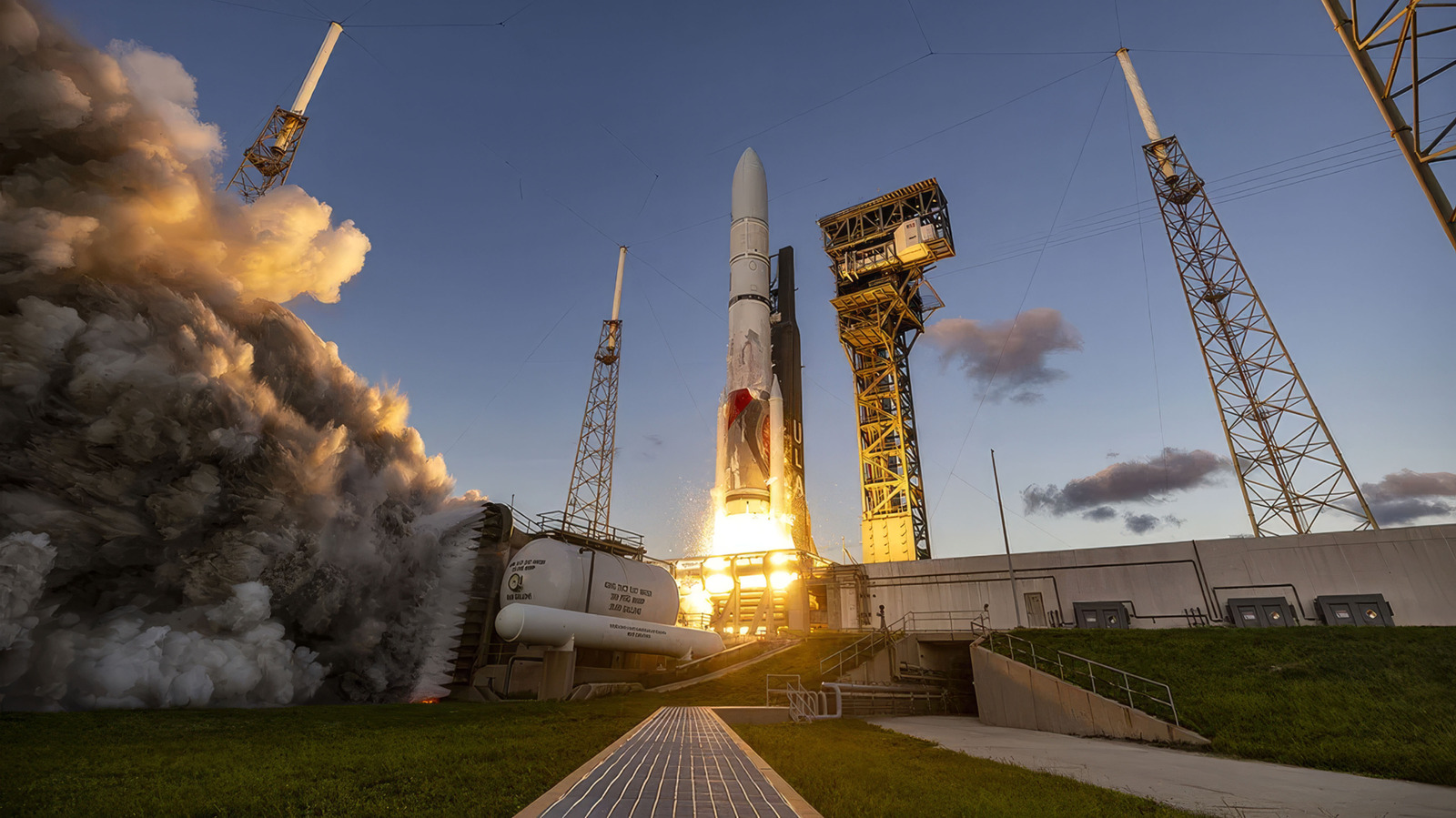
United Launch Alliance's Vulcan rocket faced a significant setback, resulting in the loss of 40 Amazon Leo satellites intended for internet connectivity. This incident marks the first launch failure for ULA since its establishment in 2006.
The recent launch of United Launch Alliance's (ULA) Vulcan rocket ended in failure, leading to the destruction of 40 Amazon Leo satellites. This event marks a troubling start for the new heavy-lift rocket, which was supposed to enhance ULA's capabilities in the competitive satellite launch market.
ULA confirmed the failure occurred approximately ten minutes into the flight, after the rocket launched from Space Launch Complex 41. The company stated that an anomaly during the mission prevented the successful delivery of its payload to orbit.
The Vulcan rocket experienced a malfunction during its ascent, leading to the loss of all 40 Amazon Leo satellites.
This incident is ULA's first launch failure since its formation in 2006, a period during which its Atlas V rocket gained a reputation for reliability.
The failure occurred during the upper stage burn, after the first stage had separated, with the Centaur upper stage engines igniting as planned.
Amazon's Leo satellite system, designed to compete with SpaceX's Starlink, was already facing challenges, with only 390 of the required 1,600 satellites in orbit by the FCC's deadline.
The failure will likely delay many of the 38 planned Vulcan flights for Amazon, impacting the timeline for its satellite constellation deployment.
As ULA investigates the cause of the failure, the company's commitment to transparency with its customers will be crucial. The next steps include a thorough review and potential grounding of the Vulcan rocket until the issues are resolved, which could further complicate Amazon's ambitious satellite plans.
































Comments (0)
Sign in to leave a comment.
No comments yet.